Have you ever come across a botanical that has been used traditionally for generations but still feels completely unfamiliar? When people think about herbal supplements, names like ashwagandha, turmeric, and elderberry usually come to mind first. But there are hundreds of fascinating plants with long histories that remain relatively unknown to many people.
One of those plants is bitter melon.
Also known as Momordica charantia, bitter melon is a tropical vine that produces a distinctive green, bumpy fruit. As its name suggests, it is extremely bitter. It has been used as both a traditional food and botanical ingredient throughout parts of Asia, Africa, the Caribbean, and other tropical regions.
Why Is Bitter Melon So Bitter?
Plants naturally contain hundreds of different compounds, and bitter melon is especially rich in compounds that contribute to its characteristic taste. That intense bitterness is one of the first things people notice about this unusual botanical.
The flavor may be interesting in a culinary setting, but it can make bitter melon difficult to prepare as part of a daily wellness routine. That is one reason capsules can be such a convenient way to incorporate herbs like bitter melon. You can use the plant in a straightforward form without having to figure out how to prepare or disguise its intensely bitter flavor.

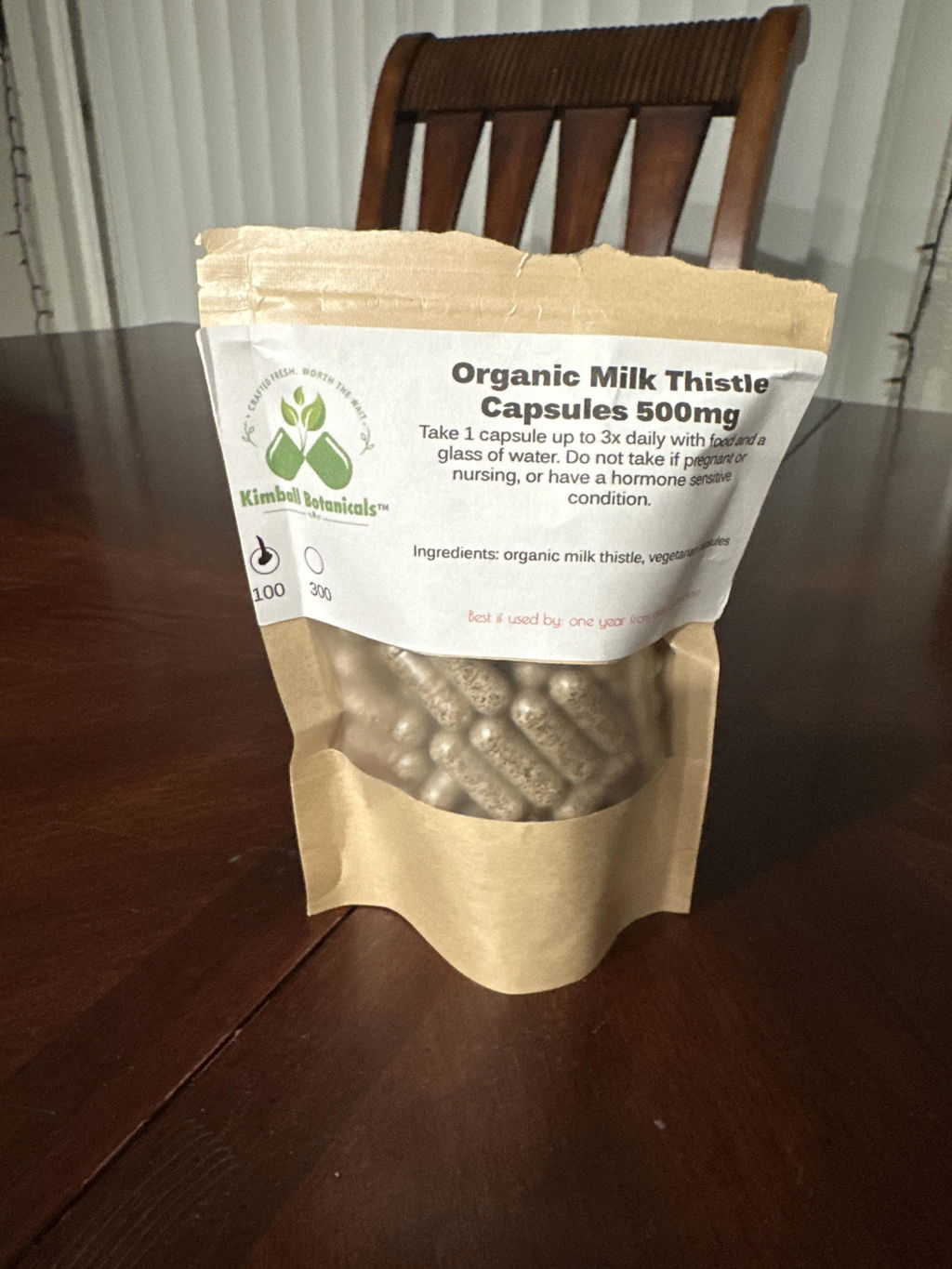
At Kimball Botanicals, capsules are a major part of what we do. They allow us to work with herbs in a simple, practical form while keeping supplementation easy to incorporate into your routine.
A Long History of Traditional Use
Bitter melon has been incorporated into traditional wellness practices for centuries. Different cultures have used the fruit, seeds, leaves, and other portions of the plant in a variety of ways.
Modern researchers have also taken an interest in naturally occurring bitter melon compounds, particularly in relation to metabolism and general metabolic wellness. A published review of Momordica charantia discusses the plant’s traditional history, naturally occurring compounds, and the need for further research into its potential uses and safety (Frontiers in Pharmacology).
Research into bitter melon is still ongoing, so it is important to distinguish traditional use from established medical treatment. Herbs can be fascinating without pretending that every traditional claim has already been scientifically proven.
That balanced perspective allows you to appreciate bitter melon for what it is: an unusual botanical with a substantial history and many naturally occurring plant compounds, but one that continues to be studied.
Whole Herb and Extracts
One interesting aspect of botanical supplements is that the same herb can be prepared in several different ways. The form you choose can influence how the plant is incorporated into your routine.
Whole-herb powder retains a broad range of naturally occurring plant material, while an extract concentrates particular components of the plant. Neither approach needs to replace the other. Each offers a different way to work with a botanical.
Our Bitter Melon capsules use a combination of approximately 70% raw bitter melon and 30% 10% extract. We like this approach because it combines the character of the whole botanical with a measured amount of concentrated extract rather than relying entirely on one form.

This type of formulation reflects a broader interest in keeping herbal supplementation both thoughtful and practical. You can explore the qualities of the whole herb while also including a concentrated extract in the same capsule.
Why Lesser-Known Herbs Matter
Some of the most interesting plants in herbalism are not necessarily the ones currently dominating social media. Familiarity does not always determine whether a plant has a meaningful traditional history.
Botanical traditions developed over hundreds or even thousands of years across many different cultures. Exploring lesser-known herbs gives you the opportunity to learn about plants outside of the small group that has become mainstream in modern supplement conversations.
Bitter melon is a perfect example. It is:
- Unusual in appearance and flavor
- Connected to an extensive history of traditional use
- A source of numerous naturally occurring plant compounds
- Used as both a traditional food and botanical ingredient
- Still unfamiliar to plenty of people despite its long history
The bitterness is part of what makes the plant distinctive. So is the way it has been prepared and valued across different regions. Learning about plants like bitter melon can help you appreciate the variety and depth of the botanical world.
Simple Botanical Supplementation
Not everybody wants to brew teas, prepare unusual fruits, or tolerate intensely bitter herbal powders. Even when you are interested in exploring a particular herb, the preparation process can make it difficult to use consistently.
Capsules offer another option. They are simple to store, easy to incorporate into a routine, and allow you to explore botanicals that might otherwise be difficult to use because of their flavor.
That is one of the reasons we continue offering both familiar herbs and some of the more unusual botanicals in the Kimball Botanicals capsule collection. Our goal is to make it easier for you to discover plant-based ingredients in straightforward forms.
Sometimes the most interesting herb in the cabinet is the one you have never heard of. Bitter melon may not have the same level of recognition as ashwagandha, turmeric, or elderberry, but its distinctive fruit, traditional history, and naturally occurring compounds make it well worth learning about.
A Thoughtful Way to Explore Bitter Melon
Bitter melon offers a reminder that herbal wellness is not limited to the most popular ingredients. It also includes unusual plants with long cultural histories, distinctive characteristics, and ongoing scientific interest.
As you explore bitter melon, remember that traditional use and modern medical treatment are not the same thing. If you take medications, are pregnant or nursing, or have a medical condition, speak with a qualified healthcare professional before using bitter melon or any other herbal supplement.
This article is for educational purposes only and is not intended to diagnose, treat, cure, or prevent any disease.