Are hot flashes, restless nights, mood changes, or shifting energy making menopause feel harder than it should?
You are not alone: and you do have options beyond hormone therapy. Natural menopause support can include nourishing lifestyle habits, professional guidance, and carefully selected herbs that may help soothe specific symptoms. The important part is knowing what each herb can: and cannot: do.
No botanical works for every woman, and herbal evidence is often mixed. Still, these six herbs have the most practical potential for supporting your transition when sourced carefully and used responsibly.
What to Know About Herbal Menopause Support
Menopause symptoms are connected to changing estrogen and progesterone levels, but your experience may also be shaped by stress, sleep quality, nutrition, thyroid health, and medications.
Some herbs contain phytoestrogens, plant compounds that interact weakly with estrogen receptors. Others may support stress resilience, circulation, relaxation, or healthy inflammatory balance without acting like estrogen.
The goal is not to “balance your hormones” overnight. Instead, you can use herbs to support your body’s natural functions and create more harmony in your daily wellness routine.
1. Red Clover: A Well-Known Choice for Hot Flashes
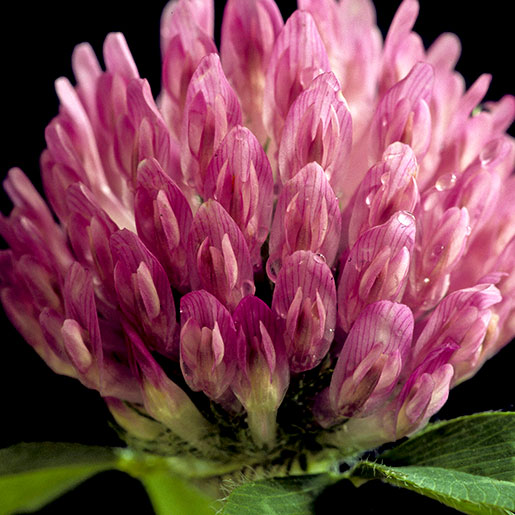
Red clover, or Trifolium pratense, is one of the more researched herbs for menopause. Its blossoms contain isoflavones, including biochanin A and formononetin: bioactive compounds that are structurally similar to estrogen.
Research on red clover is not conclusive, but several reviews suggest it may modestly reduce hot-flash frequency, especially if you experience frequent symptoms. Benefits are more likely with a well-characterized extract than with an unknown-strength powder or tea.
When choosing red clover pills, look for:
- The full botanical name, Trifolium pratense
- Clearly stated serving information
- Organic or sustainably sourced plant material
- Minimal unnecessary fillers
- Third-party testing for purity and identity
- A transparent manufacturing process
Kimball Botanicals’ USDA Organic Red Clover Blossom capsules and tincture are available in vegetarian capsules or glycerin tincture form, with zero fillers. The product is made fresh to order using sustainably grown U.S. red clover harvested at peak bloom and third-party tested for purity.
Keep in mind that the product’s capsule strength is not the same as standardized isoflavone content. If you are specifically seeking an isoflavone dose studied in clinical trials, ask the manufacturer or your healthcare professional how the product compares.
According to the National Center for Complementary and Integrative Health, red clover extracts have appeared well tolerated in studies lasting up to two years, but safety concerns remain for hormone-sensitive conditions.
2. Black Cohosh: Support for Vasomotor Symptoms
Black cohosh, or Actaea racemosa, is traditionally used for hot flashes, night sweats, and mood changes during menopause. Its proposed actions appear to be different from classic estrogen activity, although its exact mechanisms are still being studied.
Some clinical research suggests that specific black cohosh extracts may support vasomotor comfort. Other trials show little difference from placebo, so the quality and type of extract matter.
Black cohosh may be worth discussing with your clinician if your main goals include:
- Fewer or less disruptive hot flashes
- More comfortable nighttime temperature changes
- General support during the menopause transition
Safety is essential. Rare cases of liver injury have been reported in people taking commercial black cohosh products. Avoid it if you have liver disease unless a qualified healthcare professional specifically recommends it, and stop using it if you notice dark urine, yellowing skin, unusual fatigue, or upper-right abdominal pain.
3. Sage: A Traditional Herb for Sweating
Sage, or Salvia officinalis, has a long history in traditional herbal practice and is commonly used to support digestion, memory, and healthy perspiration. Small studies suggest sage preparations may help reduce the frequency or intensity of hot flashes for some women.
Sage is not the same as sage essential oil. Concentrated oils can contain thujone, a compound associated with neurological toxicity at high doses. For menopause support, avoid self-prescribing essential oil internally and use only a reputable preparation according to its label.
A gentle sage routine may complement other habits that support temperature comfort, such as:
- Wearing breathable layers
- Keeping your bedroom cool
- Limiting alcohol if it triggers symptoms
- Practicing slow, paced breathing
- Staying hydrated throughout the day
The evidence is preliminary, but sage may offer a wholesome option for women whose primary concern is sweating or heat discomfort.
4. Ashwagandha: Nurturing Stress and Sleep Support
Ashwagandha, or Withania somnifera, is an adaptogenic herb traditionally used to help the body respond to stress. During perimenopause, shifting hormones can make stress feel more intense and sleep more fragile.
Ashwagandha is better studied for stress, anxiety, and sleep than for hot flashes. Small menopause-focused studies suggest it may support overall well-being, sleep quality, and perceived stress, but it should not be considered a proven treatment for vasomotor symptoms.
You may find it most relevant if your menopause experience includes:
- Trouble settling at night
- Occasional anxious feelings
- Stress-related fatigue
- Difficulty maintaining a calm evening routine
Ashwagandha may interact with thyroid medications, sedatives, and some other medicines. Rare liver injury has also been reported. Discuss it with your healthcare professional before use, especially if you have thyroid disease, an autoimmune condition, liver concerns, or take prescription medication.
5. Maca: Energy, Mood, and Libido Support
Maca, or Lepidium meyenii, is a nourishing root traditionally used to support vitality, stamina, mood, and sexual wellness. It does not function as a direct estrogen replacement, which makes it appealing to women seeking non-hormonal support.
Evidence for maca and menopause is still limited, but early research suggests it may support libido, mood, and perceived energy in some women. It is less appropriate to think of maca as a direct hot-flash remedy and more useful as part of a broader approach to daily vitality.
Kimball Botanicals offers a USDA Organic Maca Tri Blend featuring red, yellow, and black maca in capsules or tincture form. A made-to-order supplement can be a practical choice when you value freshness, small-batch craftsmanship, and a short ingredient list.
6. Hops: Relaxation and Phytoestrogenic Support
Hops, or Humulus lupulus, are best known for their role in brewing, but the cones also contain phytochemicals such as 8-prenylnaringenin. This compound has phytoestrogenic activity and has been investigated for menopause-related hot flashes and sleep concerns.
Small studies suggest hops extracts may help some women with temperature discomfort or nighttime relaxation. However, much of the research involves combination formulas, so it is difficult to identify how much benefit comes from hops alone.
Because hops can be sedating, use caution if you take sleep medication, anxiety medication, opioids, or other central nervous system depressants. Hops may also be inappropriate without medical guidance if you have a hormone-sensitive condition.
How to Choose the Right Herbal Support for You
Start by identifying your most disruptive symptom instead of choosing several herbs at once.
| Your primary goal | Herbs to discuss |
|---|---|
| Hot flashes or night sweats | Red clover, black cohosh, sage |
| Stress or unsettled sleep | Ashwagandha, hops |
| Energy, mood, or libido | Maca |
| A phytoestrogenic option | Red clover or hops |
Choose one product at a time and keep a simple symptom journal. Track hot flashes, sleep, mood, energy, and any side effects for several weeks so you can assess whether the change is genuinely helping.
A capsule may suit you if you prefer convenience and a measured serving. A tincture can be useful if you prefer flexible use and easy mixing into water or tea. Kimball Botanicals’ Women’s Health collection includes made-to-order capsules, tinctures, and topical products for women’s wellness.
Safety Considerations You Should Not Skip
Natural does not automatically mean risk-free. Talk with your doctor, gynecologist, pharmacist, or another qualified healthcare professional before beginning an herbal supplement: particularly if you:
- Have had breast, uterine, or ovarian cancer
- Have unexplained vaginal bleeding
- Take hormone therapy or anti-estrogen medication
- Use blood thinners or have a bleeding disorder
- Have liver, thyroid, or autoimmune disease
- Are pregnant or breastfeeding
- Take sedatives, antidepressants, or multiple medications
Herbal supplements are not approved by the FDA in the same way prescription medicines are approved before sale. For additional perspective, review the NCCIH guidance on menopausal symptoms and complementary health approaches.

A Gentle Way to Begin
Natural menopause support works best as a complete routine: not a single magic herb. Cooling strategies, regular movement, nourishing meals, strength training, stress reduction, and a consistent sleep schedule can all help nurture your well-being.
If you are exploring red clover pills, prioritize botanical identity, organic sourcing, purity testing, and transparency about what the product contains. For any herb, start thoughtfully, follow the product directions, and give your body time to respond.
Kimball Botanicals carefully crafts small-batch tinctures and capsules fresh to order using sustainably sourced ingredients and eco-conscious packaging. Explore the Women’s Health collection and begin your natural wellness journey with care, clarity, and harmony.

This article is for educational purposes only and is not medical advice. Herbal products are not intended to diagnose, treat, cure, or prevent disease. Always consult a qualified healthcare professional before starting a new supplement.